Showing posts with label Health. Show all posts

Friday, November 26, 2010

Bedwetting in children

By K.M. LEW

Most children can control voiding by the age of five years. However, incontinence can occur in about 1% of those aged 18 years. 

      THE kidneys produce urine, which passes through the ureters to enter the bladder, a hollow and distensible organ that sits on the pelvic floor. The stored urine exits the body through the urethra, which is a tubular structure. This act (voiding) involves muscles, nerves, the spinal cord and the brain.
      The bladder has two types of muscles. The detrusor muscle stores urine and contracts when emptying the bladder. The bladder sphincter is a circular group of muscles found at the bottom of the bladder. It automatically contracts to retain urine in the bladder and relaxes when the detrusor muscle contracts (when the urine gets into the urethra).
      When the pelvic floor muscles contract, urine is held back in the bladder.
      The newborn’s bladder fills up to a certain set level at which the bladder muscle contracts automatically, leading to voiding. As the newborn grows, his or her nervous system matures. The brain starts receiving messages from the filling bladder through the spinal cord and also sends messages to the bladder.
      Eventually, the child is able to stop the bladder from voiding automatically until the child decides when and where to void.
      When the control mechanisms are immature or fails, it results in bedwetting (incontinence). Most children are able to control voiding by the age of five years. However, incontinence can occur in about 1% of those aged 18 years. Incontinence is twice as common in males as compared to females.
There are certain medical terms used to describe incontinence in children:

      > Primary enuresis is incontinence in someone who has never been dry for at least six months
      > Secondary enuresis is incontinence that begins after at least six months of dryness
      > Nocturnal enuresis is incontinence which occurs during sleep. It is also called night time incontinence
      > Diurnal enuresis is incontinence which occurs when awake. It is also called daytime incontinence

      There are several causes of bedwetting in children and they vary from the simple to the complex.

Causes 

      Nocturnal enuresis is more common than diurnal enuresis after the age of five years. The causes of nocturnal enuresis are not well clarified yet. Most cases result from a variety of causes that include slower physical development, an increased production of urine at night, a lack of ability to recognise bladder filling when asleep, and, occasionally, anxiety.
      Nocturnal enuresis between the ages of five and 10 years due to a smaller bladder capacity usually disappears gradually as the bladder capacity increases.
      The body produces a hormone called antidiuretic hormone (ADH) which reduces the production of urine. As less ADH is produced at night, the need to void is less. Sometimes the body does not produce sufficient ADH at night, leading to the production of more urine. If a child does not sense the increased volume of urine in the bladder and awakens to void, bed wetting will result.
      Anxiety has been suggested as a cause of bedwetting in children between two and four years of age when they have yet to achieve total control of their bladders. Anxiety after the age of four years can also lead to nocturnal enuresis after the child has been dry for six months or more. The anxiety-causing events include angry parents or relatives, birth of a sibling, and unfamiliar social situations.

      Incontinence itself can cause anxiety. Diurnal enuresis can cause anxiety that leads to nocturnal enuresis.
A strong family history of bedwetting is suggestive of genetic causes. Studies have reported that a child has an 80% chance of bedwetting if both parents had been bed wetters.
      There is a small group of children who have physical abnormalities in their urinary tract which lead to incontinence, e.g. a blocked bladder or urethra, and nerve damage associated with spina bifida, which is a birth defect of the spinal cord.
      Diurnal enuresis is less common than nocturnal enuresis and usually disappears earlier than nocturnal enuresis.
      An overactive bladder is one of the causes of diurnal enuresis. When the detrusor muscle of the bladder contracts strongly, the bladder sphincter may be unable to prevent voiding. This occurs frequently when there is a urinary tract infection (UTI), which is more common in girls because of their short urethras.
      Many children who have diurnal enuresis have abnormal habits, the most common being infrequent voiding. They ignore the feeling of a full bladder and do not void for long periods for various reasons, e.g. not wanting to use the toilets at school. As the bladder is overfilled, the urine leaks. Such children are prone to UTIs, which in turn leads to an overactive bladder.
      The causes of nocturnal enuresis may interact with infrequent voiding to lead to diurnal enuresis. These causes include small bladder capacity, anxiety, and physical abnormalities of the urinary tract. Pressure from a distended lower bowel, when a child has constipation, and caffeine-containing foods or drinks, that increase urine output, are other contributory causes.

Management

      There are various management modalities available. They include no treatment, bladder training, medicines, dietary modification, and moisture alarms.
      Most cases of bedwetting in children resolve spontaneously without any treatment as the child grows up. It has been estimated that the incidence of bed wetting reduces by 15% annually after the age of five years.
      The body’s changes with the passage of time include an increase in bladder capacity, resolution of an overactive bladder, the normal production of ADH, the resolution of anxiety provoking events, and the child learning to respond to the signals that it is time to void.
      Bladder training involves exercises that help to strengthen and co-ordinate the bladder’s muscles. The child learns to anticipate the need to void and to control oneself when there is no toilet nearby.
      The methods used for nocturnal enuresis include determining bladder capacity, drinking less before bed time, and having a routine for waking.
      The methods used for diurnal enuresis include voiding according to a schedule, avoiding caffeine containing foods or drinks, and relaxing the muscles. There is, however, no guarantee of success with these bladder training methods.
      There are medicines available to treat bed wetting. ADH levels can be increased with desmopressin, and an overactive bladder controlled with anticholinergics.
      The medicine, imipramine, which acts on the brain and bladder, is used for short term treatment of nocturnal enuresis.
      Moisture alarms awaken a person when voiding starts. The device has a water-sensitive pad that is placed in the pajamas and is connected to a battery-driven control. An alarm goes off when moisture is detected on the pad. The child has to wake up when the alarm goes off and go to the washroom to void.
      The use of such alarms may require another person to sleep in the same room as the child to awaken him or her.
      Bedwetting is common in young children. It resolves spontaneously in most instances. The management modalities include no treatment, bladder training, medicines, dietary modification, and moisture alarms. Anyone whose child has bedwetting would benefit from a reassuring discussion with the doctor.

Thursday, November 18, 2010

Immune Boosters

By K.M. LEW

Folate (or Folic Acid)
 
One of the B vitamins, folate is crucial to the growth and reproduction of all cells in adults and for maintaining DNA for normal cell production (including the immune system's white blood cells, which help fight disease), says Karen Collins, nutrition adviser and registered dietitian at the American Institute for Cancer Research. Concerns about the potential effect of folate deficiency prompted the U.S. government to have foods such as cereal fortified with the nutrient, which makes taking in the recommended dietary allowance (RDA) of 400 micrograms fairly easy for adults. Eating healthy plant-based foods will also get you there: dark-green vegetables such as broccoli and spinach provide 100 to 200 micrograms per cup, while lentils contribute about 350 micrograms per cup.

 
Sources
 
Dried beans, leafy greens (kale, romaine, spinach), fortified cereals, and whole grains


Vitamin B6
 
B6 helps to produce antibodies that are needed to fight diseases, including heart disease. The RDA is 1.3 milligrams for adults 50 or younger and slightly higher for those who are older. Bananas and potatoes are particularly rich in vitamin B6: A medium banana provides .68 milligrams and a medium baked potato (with the skin) has .7 milligrams.


Sources
 
Dried beans, fish, some produce (bananas, potatoes, avocados, cauliflower), poultry, lean red meat, and whole-grain breads


Vitamin C
 
Vitamin C increases the production of infection-fighting white blood cells and antibodies, as well as interferons, a group of antiviral proteins. Massive amounts of vitamin C aren't needed to reap its benefits. The RDA is only 75 milligrams for women and 90 milligrams for men, although many researchers suggest aiming for 200 milligrams a day.


Sources
 
Dark-green vegetables (kale, broccoli), kiwi, and yellow and orange produce (citrus, bell peppers)


Phytochemicals (aka Phytonutrients)
 
This large group of nutrients boosts the number of infection-fighting cells in the body. The term comprises carotenoids and bioflavonoids.


Sources
 
Deeply hued produce of all colors (blueberries, carrots, sweet potatoes) and dark, leafy greens


Zinc
 
This mineral is needed for developing and activating the immune system's T cells, which are white blood cells that fight off infection. Zinc helps white blood cells release more antibodies. The RDA is 8 milligrams for women, 11 milligrams for men. Taking too much zinc may actually produce negative results, such as iron deficiency and decreased immunity function. The National Academy of Sciences has set 40 milligrams as the maximum recommended daily intake for adults. Because the mineral is plentiful in many foods, experts generally don't suggest using supplements.

 
Sources
 
Dried beans, lean red meat, nuts, poultry, seafood (especially shrimp and oysters), pumpkin and sesame seeds, whole grains, and yogurt

Healthy Juice Recipe

Spinach-Cucumber-Celery Juice

By K.M. LEW

Because celery isn't overpowering, it allows the spinach and cucumber juices to stand out. Spinach is a good source of calcium, iron, and potassium.Per serving: 80 calories, 0 g fat, 0 mg cholesterol, 16 g carbs, 140 mg sodium, 7 g protein

Ingredients

Makes 12 ounces; serves 1
  • 2 cups packed spinach (4 ounces)
  • 1 cucumber
  • 1 celery stalk

Directions

  1. Cut large produce into chunks, and remove big seeds or pits. Don't worry about those in fruits like apples and pears -- a juicer will filter them out. To combine several fruits and vegetables, alternate between soft pieces and hard ones. Finish with the latter to push through anything that's stuck.

Monday, November 15, 2010

Multiplying stem cells

By K.M. LEW
A researcher discovers a technique that might make it easier and cheaper to replace worn-out cartilage.

     HAVE your knees started to creak? If your joints are beginning to make crackling noises when you bend them, this may be a sign that the cartilage there is starting to wear out.
     As cartilage acts as a cushion to soften the impact of movements on our joints, this is not a good sign. Imagine your bones grinding together every time you move – definitely a painful proposal!
     Unfortunately, as we grow older, our cartilage wears out through repeated usage. And that is the inspiration behind Universiti Malaya (UM) research scientist Chong Pan Pan’s current work.

Important discovery: Dr Chong Pan Pan found a way to separate mesenchymal stem cells from blood, and growing them in the laboratory.
     “As we know, most people have knee problems when they are older, that is osteoarthritis. So I wanted to find something to help solve their problems,” she says.
     The PhD student, who is attached to the Tissue Engineering Group in the Medical Faculty’s Department of Orthopaedic Surgery, has come up with a method to increase the number of mesenchymal stem cells available from a patient’s blood.

New method

     Mesenchymal stem cells are a type of pluripotent stem cell that have the ability to differentiate into various types of cells that make up our blood and connective tissues (refer to Hierarchy of stem cells). This includes chondrocytes, which are the cells that form cartilage.
     In adults, stem cells are usually taken from the bone marrow. However, there is also a small amount of these cells floating around in our blood. The problem is the number of stem cells available from blood is too small to be of practical use.
     What Chong has discovered is a method of separating the mesenchymal stem cells from the rest of the blood, and growing them in the laboratory.
     According to her, this means that from a mere 2ml of blood, she can obtain around one million mesenchymal stem cells, of which 90% can be differentiated into chondrocytes.
     Although the number of cells needed for cartilage repair depends on the size of the defect, Chong estimates that a small defect would probably require around 10-20 million mesenchymal stem cells.
     “My advantage is that I can shorten the differentiation time,” she says. “It usually takes about three to four weeks, but I’ve managed to shorten it to two weeks.”
     Currently, the cell-based treatment procedure for damaged knee cartilage, known as an autologous chondrocyte implantation, requires two operations.
    The first one is to allow healthy cartilage to be harvested from the patient’s knee using an athroscope. These cells are then cultured and grown in the laboratory until they reach the amount needed to cover the damaged area. This usually takes around four to six weeks.
     The second operation is to place these healthy cells onto the damaged area, where they are suppose to grow into new cartilage.
     But Chong says: “Autologous transplantation works only if you still have cartilage left (to transplant). If not, you have to do a total knee replacement.”
     While using mesenchymal stem cells from bone marrow also requires two surgical procedures – the first to harvest the stem cells from the bone marrow, and the second to place them on the damaged area – the advantage is that the harvesting procedure costs less and the knee only needs to undergo one procedure.
     According to Chong, 2ml of bone marrow can produce around three million mesenchymal stem cells.
     Although this is more than what even her new method of growing stem cells from blood can produce, the advantage in her method lies in the fact that the drawing of blood from patients is a simple and cheap procedure.
     It also means that patients would only need to undergo one operation to place the new stem cells onto the damaged area.

A long way to go

     But Chong cautions that her technique is just moving into the animal testing stage.
     “To get to the patient, there are three stages: the fundamental research work, immuno-animal studies, and the clinical trials.
     “My colleagues in the Tissue Engineering Group have just started the immuno-animal testing,” she explains.
     She says that this stage will take one to two years as the researchers will have to take time to see if the blood-derived stem cells can repair cartilage damage after transplantation, as well as to observe if there are any side effects from the procedure.
     “Clinical trials (in human patients) will also take another one to two years. So, the fastest we can introduce this to patients would be within three to five years,” she says.
     She adds that if the trials go well and receives the appropriate approval, this treatment method will be offered at the UM Medical Centre.
     While Chong hopes that her technique will help to phase out the need for total knee replacements in the future, she adds that only hospitals with laboratory facilities will be able to provide this method of treatment.
     “Cell-based therapy like this needs lab facilities, and you need to involve scientists to prepare the cells for culture and growth,” she says.
     In the meantime, she is in the process of patenting her technique, as well as continuing her research work and PhD studies.
     Currently, she is researching methods to revert mesenchymal stem cells back to pluripotent stem cells, so that a source of these cells – which can differentiate into almost any of the specialised cells in our body – will be readily available in our own bodies for future therapeutic use.

Monday, November 1, 2010

7 days Juice Detox

By M.K. Lim,
     A juice fast is a type of detox diet. A juice fast involves the short-term intake of raw vegetable and fruit juice and water only.

     Proponents of juice fasting use juice because it's thought to be a good source of vitamins and antioxidants. A juice fast is considered an extreme form of detoxification because no solid food is consumed. More moderate detox methods, such as the detox diet include solid food.

     The majority of fresh fruit and vegetables harbour many vitamins and minerals essential for fresh glowing skin. They are packed with anti-oxidants to accelerate healing, and are low in calories, so can be eaten or drunk in abundance. The best way to make juice is to use a juicer because unlike a liquidiser it separates the fibrous pulp from the juice.
    
     Common temporary side effects of a juice fast include headaches, tiredness, hypoglycemia, constipation, acne, increased body odor, and bad breath. Other side effects of a juice fast can include fainting, dizziness, low blood pressure, heart arrhythmias, weight loss, hunger, vomiting, diarrhea, and kidney problems. If these side effects occur, there is a worsening of symptoms, or new symptoms appear, the fast should be discontinued and it should prompt an immediate visit to a qualified health professional.

     Another possible side effect of a juice fast is diarrhea, which can lead to dehydration and electrolyte loss.
If continued for a longer time, juice fasting can lead to nutrient deficiencies, particularly protein and calcium deficiency.

     Grapefruit juice should not be used during a juice fast, especially by people taking certain prescription drugs. A compound in grapefruit can change the way certain prescription drugs are metabolized in the body. Recent evidence suggests that pomegranate juice may also have the same effect.

Below are the example of 7 days Detox diet :
[all used apples are green skinned apple unless stated]

Monday
Breakfast - sweet C juice [3 apples 2 guava]
Lunch - baked potato with steamed fish [no additional flavours]
Dinner - apple sing juice [3 apples 2 carrot]

Tuesday
Breakfast - bright orange juice [4 orange 2 carrot]
Lunch - Any soup [non dairy]
Dinner - citrus fun juice [3 oranges 1 lemon 1 lime]

Wednesday
Breakfast - Orange blush juice [3 apples 2 oranges handful rasberry]
Lunch - Salad with olive oil dressing
Dinner - ginger zinger juice [1/2 pineapple 2 oranges handful ginger root]

Thursday
Breakfast - sweet sunset [1/2 pineapple thick slice of watermelon]
Lunch - pasta with tomato paste
Dinner - watermelon

Friday
Breakfast -Low fat cereal with low fat milk
Lunch - soup [non dairy] with non wheat bread
Dinner - Tropical pear juice [3 pears 1/4 pineapple 1 lime]

Saturday
Breakfast - citrus fun juice [3 oranges 1 lemon 1 lime]
Lunch - mashed potato and steamed asparagus
Dinner - apple rule juice [4 apples 1 carrot]

Sunday
Breakfast - sweet c juice [3 apples 2 guava]
Lunch - vegetable kebab
dinner - citrus fun juice [3 oranges 1 lemon 1 lime]

Thursday, October 28, 2010

Healthy Breakfast Tips


By K.M. LEW

Breakfast is important, not just as the first food of the day.  Studies have found that when you eat breakfast, you are less likely to be obese or develop diabetes, and that what you eat for breakfast influences your food choices all day.

When you skip breakfast, you are likely to become tired when your brain and body run low on fuel. By mid-morning, you might grab a cup of coffee or wolf down a sugary candy bar to wake up again. This might work for a few minutes, but by lunch time you are hungry, crabby, and perhaps your mood might make you a little more prone to make unhealthy choices at lunch. 

Eating breakfast every day is a single action that can have a huge positive effect on your health.  But a healthier breakfast that provides the energy you need is best.

Here are some healthy breakfast tips:

1) Watch your portions. The three parts to a good breakfast are a serving of whole grains, a serving of dairy or other calcium-rich food, and a serving of fruit.  For example, you could have a bowl of multigrain cereal with strawberries and low-fat milk. A breakfast like this totals about 300 calories. A serving of high-protein food, like a meat serving or one egg, is not needed, but is okay if it doesn’t add a lot of extra fat or calories.

2) Try a bowl of brown rice in place of processed cereal. Brown rice is packed with B vitamins and fiber.  Cook the rice a day ahead. In the morning, spoon it into a bowl with honey, cinnamon, raisins, and a diced apple. You could also try barley, rye, millet, or other grains.

3) Make a smoothie in the blender with a cup of strawberries, a banana, a cup of crushed ice, and protein powder. Add a cup of yogurt to this antioxidant-rich concoction for some calcium. Plus, you’ve taken care of three daily servings of fruit.

4) Organic eggs cost only slightly more than regular eggs, and they contain significantly more omega-3 fatty acids. Omega-3 benefits include lowering your risk of depression, as well as avoiding heart and circulatory problems.

5) Add a teaspoon of ground flaxseed to cereal, yogurt, eggs, or your smoothie. Along with organic eggs and fish, flaxseed is one of the best omega-3 sources.

6) Instead of butter, use a soft spread made with plant stanols.  Using only 2 tablespoons each day significantly lowers total cholesterol.

7) Have your toast with 2 tablespoons of tuna fish instead of butter, as a source of omega-3 fatty acids as well as protein. Or try smoked salmon or lox.

8) Eating half a grapefruit twice a week provides folate, which cuts your risk for a stroke. But grapefruit and grapefruit juice can interact with some medicines, so consult your doctor first.

9) Start your day with green tea, which has both heart-health and weight-loss effects.

10) Try soy milk on your cereal. The phytoestrogens in soy milk protect your heart and strengthen your bones. Use soy milk that’s been fortified with calcium.

11) Have a “build-your-own” breakfast event. Let everyone mix, match, top, and select from a variety of sliced fruits, yogurt, whole-grain cereals, and whole grain pancakes, waffles, or toast.

12) Take your vitamins and other supplements with your breakfast. Taking them with food lessens the chance they may upset your stomach, and helps you to absorb mineral nutrients.

13) Slice an apple and put peanut butter on the slices. The peanut butter gives you protein and fat to start your day. The apple, with its quercitin, gives you fiber, helps protect your heart, and guards against certain cancers.

14) Make a breakfast sandwich out of a whole-wheat English muffin, a sliced boiled egg, a slice of tomato, and some melted low-fat cheese, such as part-skim mozzarella.

15) Pound some cold cereal inside a plastic bag. Roll a peeled banana in it for a quick breakfast, featuring potassium to reduce stroke risk.

16) Use vegetarian breakfast meats – veggie burgers, soy crumbles, or soy sausage – for lots of protein, but no saturated fat.

17) A half cup of blueberries added to cereal will provide antioxidants that help keep your brain from aging.  Or, add them to pancakes or waffles.

18) Have three cups of orange juice in the morning. In one study, participants who drank three glasses of orange juice every day for four weeks elevated their “good” HDL cholesterol levels by 21%.  If you don’t want to drink that much OJ at once, two oranges are the equivalent.  For juice, the calcium-fortified kind is best.

19) Three times per week, have a bowl of sliced strawberries for the vitamin C. Vitamin C helps protect your eyes from developing cataracts, among many benefits, and it’s best to get your C from foods rather than supplements. Strawberries also contain many other antioxidants, have few calories, and have a low glycemic index to avoid blood sugar spikes.

20) Make a smoothie with 2 kiwifruits. According to a British study, every ounce of vitamin C-rich kiwi you consume daily lowers your risk of dying prematurely by 10%.

Organic Soup Recipe

Tuscan Vegetable Soup Recipe


Ingredients: Serves 4
 
3 tablespoons extra virgin olive oil
2 slices streaky bacon, chopped, optional
1 medium onion, finely chopped
2 stalks celery, diced
1 carrot, diced
4 garlic cloves, finely sliced
¼ teaspoon finely chopped fresh rosemary or a pinch of dried, crumbled rosemary
1 medium potato, diced
300 g (10 oz) greens (kale, savoy cabbage, swiss chard or sprouting broccoli), coarsely chopped
400 g (14 oz) tin italian plum tomatoes, chopped
400 g (14 oz) tin beans (cannellini, haricot, flageolet, borlotti or chickpeas) drained and rinsed
1½ liter (2½ pints) chicken or vegetable stock salt, black pepper additional extra virgin olive oil to drizzle
4 tablespoons freshly grated parmesan to serve

Method:
Heat the oil in a heavy-based pot.  Add the bacon, if using, onion, celery, carrot, garlic, rosemary, potato and greens.  Cook, stirring frequently, over medium low heat until the onions soften and the greens wilt, 10 minutes.  Turn the heat to medium.  Add the tomatoes and cook, stirring occasionally, until just thickened, 10 minutes.  Add the beans and stock.  Bring to a boil.  Adjust the heat, partially cover and simmer gently until the vegetables are very tender; 30 minutes.  The soup should be fairly thick, but be prepared to add water to thin if necessary.  Add salt and pepper to taste.  Ladle into warm bowls.  Drizzle with oil and sprinkle with parmesan.  Serve hot.


Saturday, October 23, 2010

Health Alert

By K.M. LEW

Top 10 Foods That Are Good For Both Low-Fat and Low-Carb Diets

     A lot of people use popular diets to lose weight and help them live healthier lifestyles. Two very popular options are low-carb and low-fat diets. All though these diets seem to be at odds with each other, they do have some common ground with healthy lo- carb vegetables and low-fat meats.

      Here are my Top Ten Good For You and Your Diet Foods that can be staples for either low-carb or low-fat dieters. I've also picked out recipes from our Guides to Low-Fat Cooking, Low-Carb Diets, and Busy Cooks to get you started in the kitchen.

1. Greens and Lettuces

The best way to fill up a diet plate is to start with a generous portion of greens and lettuces. They add volume to the meal without adding many calories. Darker greens and lettuces are wise choices, as they pack extra vitamins and minerals.
    Low-Carb Tip: Enjoy your salad with a bleu cheese, Italian or vinaigrette dressing.  
    Low-Fat Tip: Add lemon juice or your favorite low-fat dressing.

2. Asparagus

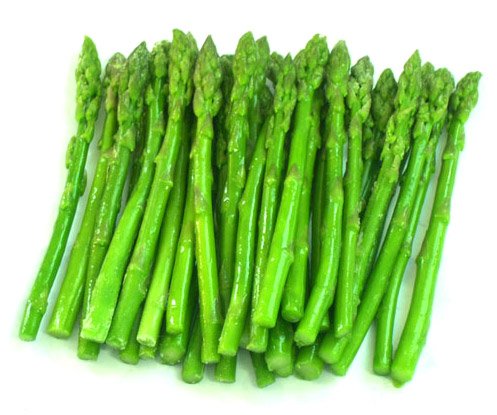
This beautiful low-carb vegetable can be a centerpiece of low-carb or low-fat dishes. Asparagus is low in calories and adds vitamins like folate and vitamin A.

3. Zucchini

Zucchini is another low-calorie, low-carb vegetable. Actually, it is a squash. Zucchini is a great when added to salads or stir-fry dishes, or sautéed alone or with other vegetables.


4. Tomatoes

Tomatoes are a staple for sauces and have lots of uses in the kitchen. Tomatoes are delicious in a tasty tomato soup, or sliced raw on a salad.


5. Salmon

Salmon is a fatty, though healthy, fish. The fat it has contains omega-3 fatty acids, which are good for your cardiovascular system. Salmon is also a great source of protein. 
Low-Carb Recipe: Crock Pot Poached Salmon


6. Chicken and Turkey

Chicken and turkey are both great choices because, when prepared properly, they are both low-fat and excellent protein sources. Organically raised chickens and turkey make even better selections.


7. Game Meats

Game meats, such as venison and elk, are very lean. They are healthy substitutes for fatter, hormone-tainted beef. The low-fat recipe below calls for beef, but elk, venison, or bison would make healthier replacement ingredients. 
Low-Carb Recipe: Venison Pot Roast

8. Broth or Soup Stock

Broth or stock can be used as a base for soups, stews and sauces. Stocks and soups can also be used in other recipes to keep meats moist during cooking. 
Low-Carb Recipe: Beef Stock


9. Berries

Eating berries can be a healthy way to reign in a sweet tooth. Berries are high in vitamins and antioxidants, so they make a great dessert or nice addition to salads. 
Low-Carb Tip:
    Serve blueberries and strawberries with a dollop of heavy whipped cream, and a sprinkle of slivered almonds. 
    Low-Fat Tip: Serve berries with low-fat yogurt and sliced almonds.

10. Wine

There are studies that show a correlation between wine consumption and good health. Remember that one serving of wine is only 4 ounces. Wine is also used as a key ingredient to several recipes. 
Low-Carb Recipe: Simply Scrumptious Spinach

Monday, October 18, 2010

Banana makes men more fertile

 By K.M. LEW

     If men wants to quickly have children or want to overcome fertility problems, they should try eating bananas regularly.
     A Singapore urologist has claimed that eating a banana every three days can improve fertility in men, according to a report.

      According to Sin Chew Daily, the fruit can increase sperm count as it contains high level of magnesium to produce sperm cells and taking food like cashew nuts, potato, spaghetti and seafood will also have a similar effect, according to the doctor.
     "Men should avoid drinking alcohol, smoking, taking a hot shower or spending time in a sauna as these can affect the production of sperm," the urologist advised.

     However, increasing number of sperm and testosterone are not only influenced by the nutrients from food. Unhealthy lifestyles also affect male fertility.

Saturday, October 16, 2010

Health and Food for Thought

By K.M. LEW

     Are you feeling like you could use a little spring cleaning for your body? If so, how about looking at what you eat? For many people, eating is "just something you have to do everyday." This way of thinking can affect your diet in many ways.
     Most often, someone who only eats to satisfy their hunger may not consume a variety of foods, which are necessary to meet their nutrient needs. Over time, if your body does not receive the amounts of vitamins and minerals that it requires you may become deficient in certain nutrients. 
     What this can mean for your overall health is that your body is not running as efficiently as it could. Here are some general nutrition guidelines to help you feel your best:
  • Eat a variety of foods
    Eating the same foods day-in and day-out will only deliver the limited nutrients in those particular foods. By eating an assortment of foods from each of the food groups, you can be sure that the amounts of vitamins and minerals your body needs are being met.
  • Drink at least eight 8-oz. glasses of water a day
    The human body is made up largely of water. Cellular function depends on adequate amounts of water. Since your body cannot store extra water, it must be replenished every day. Drinking sugary sodas and caffeine containing beverages such as coffee do not fully replete your stores, plus they can add many extra calories to your daily intake. So when you're feeling thirsty, try grabbing a bottle of water for a change. If you want to add some flavor, squeeze a slice of fresh lemon into your glass for a refreshing zing. 
  • Cut down on fat
    Excess fat in your diet can leave you feeling weighed down. Reducing the amount of butter, margarine, and oil used in cooking can significantly decrease the overall fat content of your diet. Since fats contain more than twice the amount of calories than carbohydrates or protein, they also may contribute to unwanted weight gain. Using reduced calorie margarine spreads and dressings is one way to cut back on fat in your diet. For baking purposes, try using applesauce in place of oil to save calories and fat grams.
  • Get some exercise
    While an inadequate diet can leave you feeling less than your best, not getting any exercise will also keep you from optimum health. In contrast to what you may think, you do not need to work out every day for long periods of time to see results. Mini bouts of exercise, such as taking the stairs instead of the elevator or parking farther away from the door to walk in, will set you on your way to a healthier body. Exercise also burns calories which can help you to shed those few extra pounds and get your muscles in shape.
Following these general guidelines, in addition to regular check ups with your doctor will help you fuel your body and make it work most efficiently.